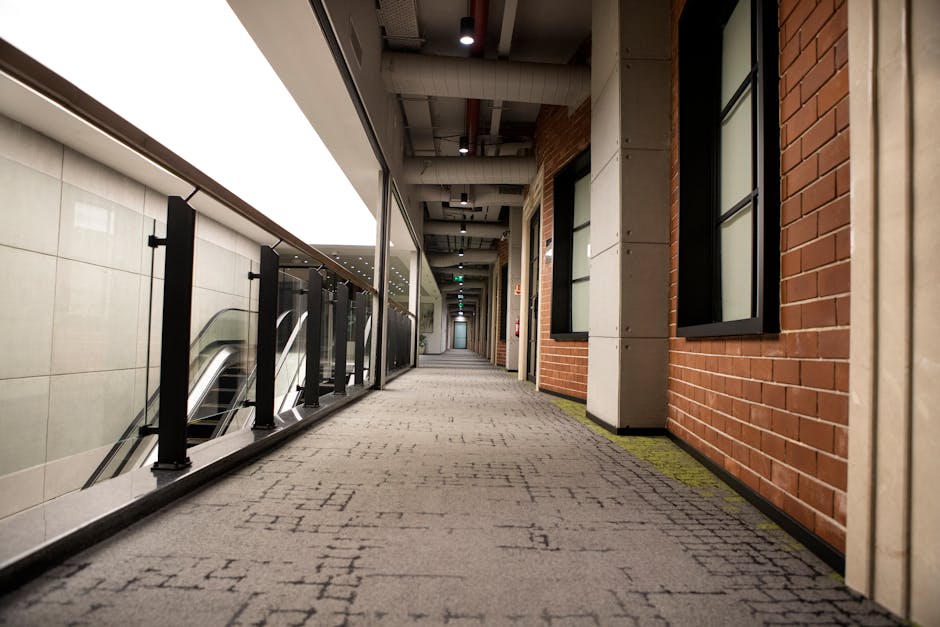
Harrow business carpet cleaning solutions for shops and offices
If you run a shop, office, clinic, showroom, or shared workspace in Harrow, carpet care is not just a housekeeping job. It affects first impressions, indoor air quality, staff comfort, and even how long your flooring lasts. Harrow business carpet cleaning solutions for shops and offices are about more than removing visible marks; they help keep busy commercial spaces presentable, hygienic, and easier to manage day after day. And let's face it, a tired-looking carpet can make even a well-run business feel a bit less polished.
In this guide, you'll find a clear explanation of how commercial carpet cleaning works, when it makes sense, what benefits to expect, and how to avoid the mistakes that usually create extra cost later. We'll also cover practical steps, compliance considerations, and a realistic checklist you can use before booking a service. If you also need broader premises support, our office cleaning and office cleaners pages are useful starting points for larger workplace routines.
Contents
- Why it matters for Harrow shops and offices
- How the cleaning process works
- Key benefits and practical advantages
- Who needs this and when it makes sense
- Step-by-step guidance
- Expert tips for better results
- Common mistakes to avoid
- Tools, resources and recommendations
- Law, compliance, standards and best practice
- Options, methods and comparison table
- Case study or real-world example
- Practical checklist
- Conclusion
- Frequently asked questions
Why Harrow business carpet cleaning solutions for shops and offices Matters
Commercial carpets take a beating in ways domestic flooring simply does not. In a Harrow office, that might mean constant foot traffic from staff, clients, couriers, and visitors. In a shop, it can mean mud from wet pavements, scuffing from trolleys, product dust, drink spills, and the odd mark that seems to appear from nowhere by Tuesday morning. A carpet can look "fine" for a while, then suddenly it doesn't. That's the tricky part.
Regular business carpet cleaning helps protect the impression your premises make. Customers tend to notice what feels clean, even if they do not say it out loud. Staff notice too. A fresher workspace often feels calmer, more professional, and easier to work in. For front-of-house businesses, that matters every single day.
There is also a practical side. Embedded grit acts a bit like sandpaper. Over time, it can wear down carpet fibres, flatten pile, and make the flooring look older much faster than it should. If your business is trying to delay replacement costs, keeping carpets properly maintained is one of the simplest ways to help. Not glamorous, but effective.
For businesses that want a cleaner overall environment, carpet care also connects neatly with broader services such as deep cleaning and professional cleaning company support, especially where reception areas, meeting rooms, and shared spaces see regular use.
How Harrow business carpet cleaning solutions for shops and offices Works
The exact method depends on the carpet type, the soil level, and how much downtime your business can tolerate. But in most commercial settings, the process follows a sensible sequence rather than a one-size-fits-all approach.
1) Inspection and fibre identification
The cleaner looks at the carpet construction, backing, pile type, problem areas, and any visible staining. That matters because wool, synthetic fibres, loop pile, and commercial tiles all behave differently. A good approach is always based on the material, not guesswork.
2) Pre-vacuuming and dry soil removal
Dry dirt is usually removed first. This is one of those unglamorous steps that does a lot of the heavy lifting. If loose grit stays in the carpet, wet cleaning can turn it into muddy residue. You do not want that. Nobody does.
3) Spot treatment and pre-spray
High-traffic lanes, drink marks, tracked-in dirt, and specific stains are treated with suitable products. Pre-spray helps loosen soil before the main clean. This stage is often what makes the difference between "cleaner" and "actually looks refreshed."
4) Main cleaning method
Depending on the job, the cleaner may use hot water extraction, low-moisture cleaning, or another suitable system. Hot water extraction is common for commercial carpets because it can flush out embedded dirt effectively. Low-moisture methods are often chosen when drying time needs to be minimal. There's no universal winner; the right method depends on the site.
5) Rinsing and soil recovery
Professional cleaning is not just about putting water onto carpet. It is about removing soil, cleaning agent residue, and as much moisture as possible. Good extraction helps avoid sticky fibres that can attract dirt again too quickly.
6) Drying and post-check
Drying time varies. Ventilation, airflow, room temperature, carpet density, and cleaning method all play a part. A proper post-check confirms that problem areas have been dealt with and no spots need another pass. In a shop, this may happen before opening; in an office, it might be done after the cleaning team has finished and the room is left to air out overnight.
Key Benefits and Practical Advantages
There's a reason businesses keep coming back to commercial carpet maintenance rather than waiting for a crisis. The benefits are practical, visible, and often felt immediately.
- Better first impressions: Customers and clients tend to judge the whole space by the entrance, reception, or customer-facing areas.
- Longer carpet life: Removing grit and residue helps reduce wear on fibres.
- Improved appearance: Traffic lanes, dull patches, and stale-looking areas become less obvious.
- More comfortable working environment: Fresh carpets can make an office feel less stuffy and more cared for.
- Odour reduction: Spills and trapped dirt can create lingering smells, especially in warm or enclosed spaces.
- Better hygiene support: While carpet cleaning is not a substitute for general cleaning, it does help remove accumulated soil and debris.
- Operational flexibility: With the right schedule, cleaning can be arranged around opening hours or quieter trading times.
One thing people sometimes underestimate is the psychological effect. A clean carpet changes how a room feels underfoot and under the eye. It sounds small, but in a busy premises, small things stack up.
Who This Is For and When It Makes Sense
Harrow business carpet cleaning solutions for shops and offices are relevant for far more businesses than just large corporate spaces. If your premises has carpet, footfall, and a need to look reliable, this is for you.
It is especially useful for:
- Retail shops with customer-facing entrances
- Offices with meeting rooms, corridors, and communal areas
- Clinics, salons, and treatment spaces where cleanliness is part of the brand
- Showrooms and service counters
- Co-working spaces and rented offices with shared access
- Premises preparing for inspections, tenant handovers, or refreshes
You may need a clean more often if your space has:
- heavy daily foot traffic
- frequent rainwater or mud brought inside
- food or drink service nearby
- regular visitor flow
- light-coloured carpets that show marks easily
If you are already thinking in terms of scheduled upkeep, it may also be worth looking at one-off cleaning for occasional resets, or pairing carpet care with hard floor cleaning where mixed flooring is used across the premises.
Step-by-Step Guidance
If you are arranging a clean for the first time, the process is easier when you treat it like a small project rather than a last-minute fix. Here's a straightforward way to handle it.
- Walk the space and note the problem areas. Look for entrances, desk routes, tea points, tills, and corners where dirt gathers.
- Identify carpet types and any sensitive areas. Some fibres and adhesives need gentler treatment than others.
- Decide on timing. Early morning, after closing, or weekends often work best for commercial sites.
- Ask about drying expectations. This is a big one. If your business opens at 8 a.m., you need to know whether the carpet will be safe and usable by then.
- Clear the area where possible. Move small items, loose mats, and breakable objects so the cleaner can work efficiently.
- Protect the workflow. If staff still need access, set up a route. A tiny bit of planning saves a lot of wobbling around with cups of coffee.
- Request a final walk-through. Check corners, under desks, and areas around edges where soil often lingers.
A useful rule of thumb: the better the prep, the better the result. It is almost boringly true.
Expert Tips for Better Results
These are the kinds of practical details that make commercial carpet care work better in real life, not just on paper.
- Vacuum regularly between deep cleans. This is the simplest way to stop dry grit from getting embedded.
- Treat spots quickly. The longer a spill sits, the more likely it is to stain or wick back up after cleaning.
- Use entrance matting properly. Good mats trap a surprising amount of dirt before it reaches the carpet.
- Match the method to the schedule. If you cannot spare much drying time, choose a lower-moisture process.
- Ask for traffic-lane focus. Hallways and pathways usually need more attention than low-use corners.
- Rotate furniture where possible. Even a small change in layout can help wear distribute more evenly.
- Keep an eye on edges and under furniture. Those areas often tell the truth about how well the carpet is really being maintained.
In our experience, the best results usually come from businesses that think in terms of maintenance, not rescue missions. Clean a little earlier, clean a little more often, and the carpet tends to behave itself. Mostly.
Common Mistakes to Avoid
A lot of carpet problems in commercial properties come from well-meaning shortcuts. The wrong move can leave residue, extend drying time, or make stains worse. That is frustrating, especially when the space has to look sharp every day.
- Waiting too long between cleans. Deep soil becomes harder to remove and can leave permanent dulling.
- Using too much water. Over-wetting can lead to slow drying and, in some cases, lingering odours or wicking stains.
- Scrubbing stains aggressively. This can damage fibres and spread the mark further.
- Ignoring the carpet type. A one-method-fits-all approach is rarely the right answer.
- Forgetting about drying logistics. If the room is needed soon after cleaning, you need a plan before work starts.
- Not pre-vacuuming properly. Loose debris can interfere with the clean and the finish.
- Choosing price alone. Cheap can be expensive if the result does not last or causes damage.
Truth be told, the most common issue is not a dramatic failure. It is just a slightly disappointing result that fades again too quickly. That's the one to avoid.
Tools, Resources and Recommendations
You do not need to become a carpet technician to make smart decisions, but it helps to know what good commercial equipment and service should involve.
| Method | Best for | Typical strengths | Possible drawback |
|---|---|---|---|
| Hot water extraction | Deep soil, general commercial carpets, busy areas | Strong cleaning power, good for embedded dirt | May need longer drying time |
| Low-moisture cleaning | Offices needing faster turnaround | Shorter drying, easier scheduling | May be less intensive on heavy soil |
| Spot treatment only | Small, isolated marks | Quick and targeted | Does not refresh the whole carpet |
| Scheduled maintenance plan | Shops and offices with regular traffic | Prevents build-up, more predictable results | Needs consistency and planning |
For businesses comparing providers, a useful starting point is understanding pricing, scope, and timing. The pricing and quotes page can help you think through what to ask for, and the carpet cleaning service page is a sensible next stop if you want to compare options across your premises.
If your building has mixed finishes, it may also help to coordinate carpet care with window cleaning or upholstery cleaning so the whole environment feels consistent. Little things add up.
Law, Compliance, Standards and Best Practice
For commercial premises in the UK, carpet cleaning is usually less about legal complexity and more about responsible practice. Still, businesses should think carefully about access, safety, communication, and materials used on site.
Where relevant, a professional cleaner should be able to talk clearly about:
- risk control around wet floors and trip hazards
- appropriate use of equipment in public or staff-only areas
- suitable cleaning agents for the carpet type
- safe scheduling around occupied premises
- reasonable care for electrical equipment, cables, and entrances
For peace of mind, it is also sensible to review insurance and safety arrangements before any contractor works in your building. If you want to see how a provider frames that, the insurance and safety page and the health and safety policy page are relevant references. You may also want to review terms and conditions so expectations are clear on both sides.
Good practice also includes protecting client privacy, respecting access arrangements, and being transparent about what happens if a stain proves difficult to remove. A careful cleaner will usually explain that some marks are improved, some are reduced, and a few are stubborn. That honesty is worth a lot.
Options, Methods, or Comparison Table
Choosing the right approach often comes down to trade-offs between soil removal, downtime, and budget. Here is a plain-English comparison that may help.
| Approach | Ideal situation | Why businesses choose it | When to think twice |
|---|---|---|---|
| Full carpet clean | Reception areas, corridors, open-plan offices, sales floors | Most thorough refresh | If you need immediate use and drying time is tight |
| Targeted spot treatment | Small, fresh stains or isolated marks | Fast and cost-effective | If the carpet looks generally dull or heavily trafficked |
| Maintenance plan | Busy premises with regular customer or staff traffic | Helps prevent heavy build-up | If your space is rarely used and needs only occasional attention |
| Combined premise clean | Shops or offices wanting a broader refresh | Keeps flooring and surfaces aligned visually | If you only need one area addressed |
In many Harrow premises, the best option is not the most aggressive one. It is the one that fits the space, the carpet, and the way people actually move through the building. Common sense, really, but easy to forget when the floor looks bad on a Monday morning.
Case Study or Real-World Example
Consider a small office in Harrow with a carpeted entrance, two meeting rooms, and a corridor leading to desks. The entrance always looked darker than the rest of the floor. Boots brought in from wet pavements left a faint edge of dirt, and the corridor had the classic narrow traffic lane that every office seems to develop.
A targeted commercial carpet clean was carried out after hours. The cleaner pre-treated the entrance, worked the corridor separately, and used a lower-moisture method in the meeting rooms to help reduce drying time. The next morning, the space looked lighter and more even. Not brand new, of course, but properly cared for. Staff noticed it straight away. One person apparently said, "It smells less like old tea and more like an office," which, to be fair, is a fair enough compliment.
The key lesson from that kind of scenario is simple: the most visible improvement usually comes from treating the right areas in the right order. Entrance, lanes, corners, and spill points first. Fancy extras come second.
Practical Checklist
Use this before booking Harrow business carpet cleaning solutions for shops and offices. It keeps the process tidy and stops small details from being missed.
- Identify the carpeted areas that need attention
- Note any stains, odours, or high-traffic lanes
- Check whether the carpet is wool, synthetic, or a mixed commercial tile
- Confirm preferred cleaning times around trading or working hours
- Ask how long drying is likely to take
- Make sure entrances and walkways can stay safe during the clean
- Remove loose items, bins, and breakables where practical
- Confirm whether spot treatment or full-room cleaning is needed
- Review safety, insurance, and access arrangements
- Set expectations for results on old stains or worn traffic lanes
Practical summary: if your carpets are dull, marked, or simply no longer matching the standard of your business, a planned commercial clean is usually the most sensible fix. Start with the highest-traffic spaces, choose the method that fits your downtime, and check the result room by room. Simple, steady, effective.
Conclusion
Harrow business carpet cleaning solutions for shops and offices are about making your space easier to trust, easier to work in, and easier to maintain. The best results come from choosing the right method for the right carpet, cleaning before soil becomes permanent, and planning around the real rhythm of the business. That is especially true in busy Harrow premises where weather, footfall, and everyday spillages all leave their mark.
If you are weighing up whether now is the right time, look at the entrance, the traffic lanes, and the spaces customers see first. Those areas usually tell you everything you need to know. And if you want to explore the broader service range, the cleaners page is a helpful place to compare support across your property, while about us can help you get a better feel for the company behind the service.
Get a free quote today and see how much you can save.
Sometimes the difference between a space that feels tired and one that feels ready is just a proper clean. Small change, big lift.
Frequently Asked Questions
How often should shops and offices in Harrow have carpets professionally cleaned?
It depends on foot traffic, carpet colour, and how visible the floor is to customers or staff. Busy entrances and corridors usually need attention more often than quiet back-office spaces.
What is the best carpet cleaning method for commercial premises?
There is no single best method for every site. Hot water extraction is often suitable for deeper soil, while low-moisture cleaning can be useful where quick drying matters most.
Can carpet cleaning be done outside business hours?
Yes, and in many offices and shops that is the preferred option. Evening, early morning, and weekend appointments can reduce disruption quite a bit.
Will carpet cleaning remove all stains?
Not always. Fresh stains usually respond better than old, set-in marks. A professional cleaner should be honest about what can be improved, what may fade, and what may remain visible.
How long does commercial carpet cleaning take to dry?
Drying time varies based on carpet type, airflow, cleaning method, and room conditions. The cleaner should give a realistic expectation before the job begins.
Is carpet cleaning safe for busy offices with staff still on site?
It can be, provided access routes, drying time, and safety measures are planned properly. Wet-floor awareness is important, and the work should be scheduled to minimise trip risk.
What should I do before the cleaner arrives?
Move small items, clear loose clutter, flag problem spots, and make sure the team can access the carpeted areas. A little prep usually improves the result.
Can commercial carpet cleaning help reduce odours?
Yes, especially when smells are linked to trapped dirt, spills, or old residue. It is not a magic wand, but it can make a noticeable difference.
Is it worth combining carpet cleaning with other services?
Often, yes. If your premises also needs flooring, upholstery, or windows addressed, combining services can make the whole space feel more consistent and save coordination time.
What should I look for in a carpet cleaning provider?
Look for clear communication, realistic drying advice, suitable methods for your carpet type, and sensible safety practices. Price matters, but the detail matters more.
Do offices need different carpet care from shops?
Usually, yes. Shops often deal with heavier customer footfall and outdoor dirt, while offices may need quieter scheduling and attention to meeting rooms, corridors, and desk routes.
Where can I ask about booking or service details?
If you need to discuss availability, service scope, or broader premises cleaning, the contact us page is the natural place to start.